
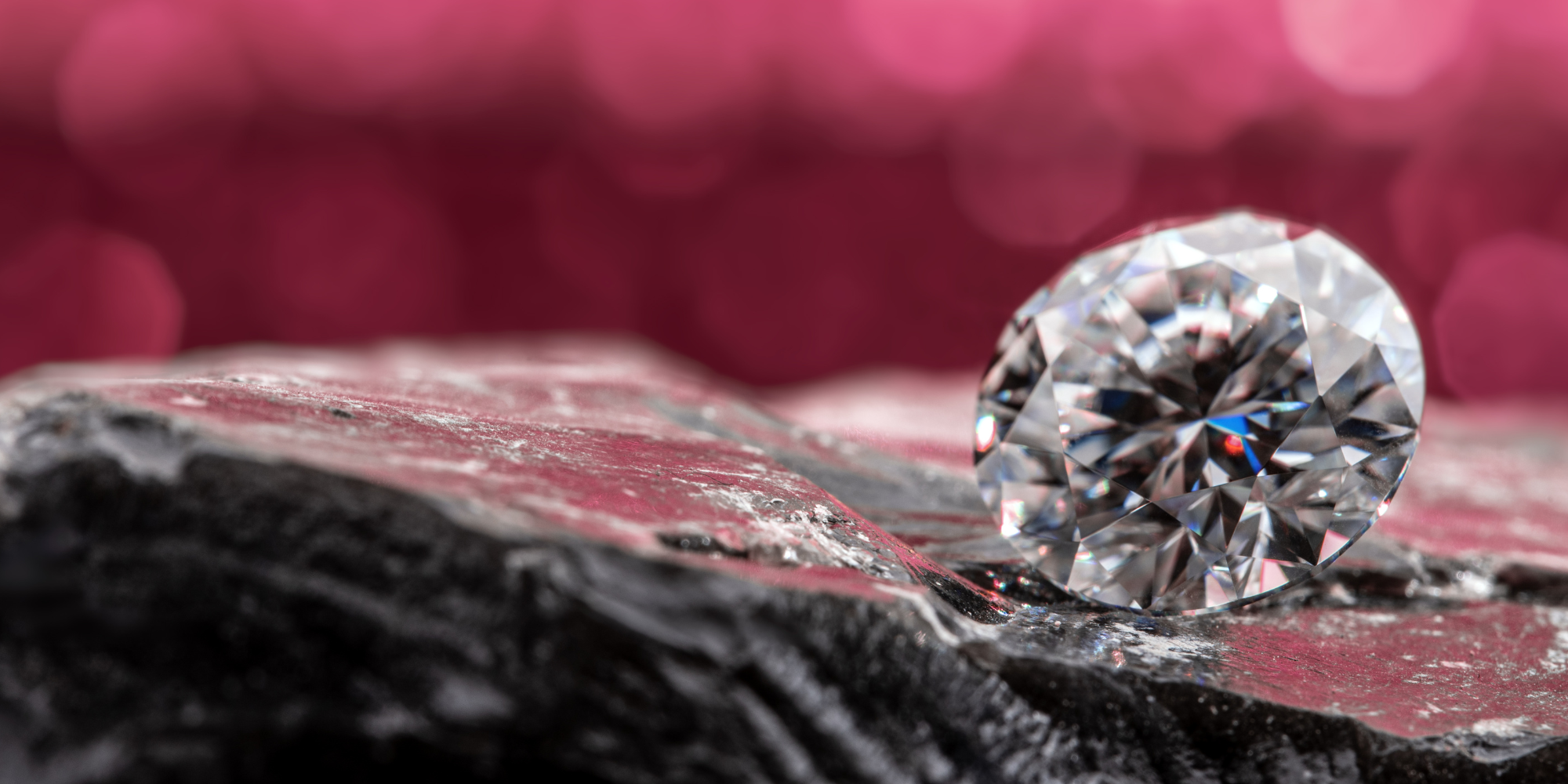
lab grown diamonds 4Cs Diamonds have long been famous for his or her unmatched sparkle, undying enchantment, and symbolism of putting up with love. But while it comes to purchasing a diamond—whether or not for an engagement ring, anniversary gift, or investment—knowledge what determines its fee is crucial. This is wherein the 4Cs come into play: Cut, Color, Clarity, and Carat Weight. These 4 key elements function the worldwide wellknown for assessing diamond exceptional.
While historically used to evaluate natural diamonds, the 4Cs are equally essential while thinking about modern-day options like artificial gem stones. Today, customers are increasingly exploring modern options along with lab-created diamonds, drawn with the aid of their moral enchantment, lower environmental impact, and aggressive pricing. As those man-made stones advantage traction inside the marketplace, knowing a way to examine them thru the lens of the 4Cs becomes greater treasured than ever.
Let’s discover what each of the 4Cs manner, why they matter, and the way they follow across both mined and man-made stones.
Cut: The Key to Brilliance
The reduce of a diamond refers now not to its shape—which include spherical, oval, or princess—but to how properly the stone has been normal from its tough form. A first-rate cut determines how efficiently light travels thru the diamond and displays lower back to the attention. In essence, reduce is what gives a diamond its fireplace and brilliance.
Even a flawless diamond in phrases of readability or colour can seem stupid if the cut is negative. Conversely, a properly-reduce stone can cover minor imperfections and beautify the gem’s visible effect.
Cut Grades
Cut grades generally variety from Excellent to Poor and are assessed based totally on elements like symmetry, polish, and proportions. Whether a stone is herbal or grown in a lab, reduce stays the most influential element in its average beauty.
Color: From Icy White to Warm Hues
When gemologists talk of shade in white diamonds, they’re sincerely relating to the absence of colour. The excellent-high-quality diamonds are completely colorless, permitting most mild mirrored image and sparkle. The trendy color grading scale degrees from D (colorless) to Z (light yellow or brown).
Lab-created diamonds frequently have a mild benefit right here, because the controlled environments in which they’re grown lessen the chance of hint elements that may purpose discoloration. That said, a few clients choose diamonds with a warmer hue, especially when set in yellow or rose gold, wherein a barely tinted stone can seem superbly harmonious.
Fancy-Colored Diamonds
For the ones in search of something unique, fancy-colored diamonds—including blues, pinks, and yellows—also are available in both mined and lab-grown paperwork, although evidently coloured gem stones have a tendency to be appreciably greater high priced because of rarity.
Clarity: Flaws and Inclusions Under the Microscope
Clarity measures the presence of internal and external imperfections, regarded respectively as inclusions and blemishes. The fewer the flaws, the higher the readability grade. The scale ranges from Flawless (FL) to Included (I3).
Most imperfections are microscopic and invisible to the bare eye, however they could have an effect on a diamond’s brilliance through disrupting how mild travels through the stone.
Inclusions in Lab Diamonds
Interestingly, lab-created diamonds often show off one of a kind kinds of inclusions compared to mined stones. While natural diamonds may comprise lines of different minerals or structural anomalies, lab diamonds usually have metal inclusions or distinctive growth patterns because of the manufacturing procedure.
While wonderful diamonds are extremely uncommon (and highly-priced), maximum clients opt for stones within the VS (Very Slightly Included) or SI (Slightly Included) categories, where the imperfections are minimal and not seen without magnification.
Carat Weight: Size Isn’t Everything—But It Matters
The final “C,” carat weight, is regularly the most at once substantive aspect of a diamond. One carat equals two hundred milligrams, and even as larger diamonds are typically greater costly, length on my own doesn’t determine cost.
Two diamonds of same carat weight can differ considerably in fee depending on their reduce, clarity, and shade. A smaller stone with exquisite proportions and clarity can also appear extra awesome than a heavier however poorly reduce gem.
Carat Advantage with Lab Diamonds
Lab-created diamonds offer a excellent advantage in this area. Because they fee extensively much less in step with carat than mined diamonds, consumers can frequently come up with the money for a larger stone without compromising nice or budget.
Evaluating Lab-Grown Stones with the 4Cs
With rising attention round sustainability and ethics, many customers are rethinking what it means to spend money on a diamond. Here’s where lab grown diamonds 4Cs come into sharper consciousness.
Just like mined stones, lab-grown diamonds are graded with the aid of impartial gemological labs the use of the precise equal 4Cs framework. They go through rigorous trying out and certification, regularly via leading institutions together with the Gemological Institute of America (GIA) or the International Gemological Institute (IGI).
Because those lab-created gemstones are produced below managed situations, manufacturers can obtain greater consistency in cut and clarity. Color manipulate is likewise better, although the technology isn’t ideal—some variant nevertheless exists, lending every diamond its unique individual.
One of the largest blessings is the price proposition. For the same price range, shoppers can usually secure a stone that isn’t handiest large however additionally higher in clarity or shade grade while choosing a lab-grown gem.
Ethical and Environmental Benefits
Beyond the glint, lab-created diamonds offer a effective moral narrative. Traditional diamond mining can be related to enormous environmental degradation, human rights issues, and geopolitical war. In contrast, lab-grown stones are cultivated in high-tech centers the usage of strategies that dramatically lessen land disturbance, water usage, and carbon output.
For many more youthful purchasers—especially Millennials and Gen Z—this moral area isn’t an advantage, but a necessity. Choosing a lab-grown diamond becomes not only a private decision, however a social declaration.
How to Choose the Right Diamond for You
Whether you’re considering a mined or lab-created gem, the 4Cs should continually manual your selection. Here are a few brief suggestions:
Buying Tips
-
Prioritize Cut: It’s the maximum essential aspect in determining sparkle.
-
Balance Color and Clarity: Aim for close to-colorless and eye-smooth grades to get the most price.
-
Consider Your Setting: The metal kind can have an impact on how color and size are perceived.
-
Know Your Budget: With lab-created alternatives, your cash can move considerably similarly.
Don’t hesitate to invite for certification, compare stones side by facet, and most importantly—pick out the diamond that resonates with you emotionally and aesthetically.
Final Thoughts
Diamonds, whether or not mined from the earth or grown in a lab, preserve to symbolize love, commitment, and lasting beauty. Understanding the 4Cs is important to creating an knowledgeable, pleasurable buy—one that aligns with your values, fashion, and finances.
As era reshapes how we get admission to beauty and luxury, the brilliance of diamonds remains undiminished. By the usage of the 4Cs as your compass, you could navigate the current diamond market with readability, confidence, and purpose.

